
Gynecomastia recurrence after surgery is possible, but the risk depends almost entirely on what was removed. When surgery includes complete gland excision, recurrence rates drop to roughly 2%. When only liposuction is performed and the gland is left intact, that number climbs to 6-35%. The difference is the tissue itself. Gynecomastia is caused by glandular breast tissue, not fat. If the gland stays, the problem can return. At XSculpt, our ChestSculpt procedure includes full gland removal and comes with a written warranty against recurrence.
Key Takeaways
- Gynecomastia recurrence is uncommon when surgery includes complete gland excision. Published data shows a 2% recurrence rate with excision versus 6-35% with liposuction alone.
- The most common cause of recurrence is incomplete gland removal. If residual breast tissue remains, hormones can stimulate it to grow again.
- Continued steroid or PED use, significant weight gain, hormonal shifts, and certain medications can also trigger recurrence or the appearance of recurrence.
- XSculpt’s ChestSculpt procedure includes full gland excision plus VASER liposuction, backed by a written warranty against recurrence.
Table of Contents
Why Gynecomastia Can Come Back After Surgery
Gynecomastia is glandular breast tissue, not fat. That distinction matters because the surgical approach determines whether the tissue can regrow.
When a surgeon performs only liposuction, the fat surrounding the gland is removed, but the gland itself may remain partially or fully intact. That residual tissue is hormonally active. Estrogen can still stimulate it. And over time, it can enlarge again.
A long-term follow-up study published in Aesthetic Plastic Surgery (mean follow-up of 13.8 years) found that 62.5% of patients with lipomatous (fat-dominant) gynecomastia experienced recurrence, while only 12.5% of patients with glandular gynecomastia recurred after excision. A 2024 analysis comparing techniques found direct excision achieves a 2% recurrence rate compared to 6% for liposuction alone. When liposuction was the only technique used without sharp excision of the gland, some studies report recurrence rates as high as 35%.
The takeaway is straightforward. If the gland comes out, recurrence is rare. If the gland stays, recurrence is a real risk.
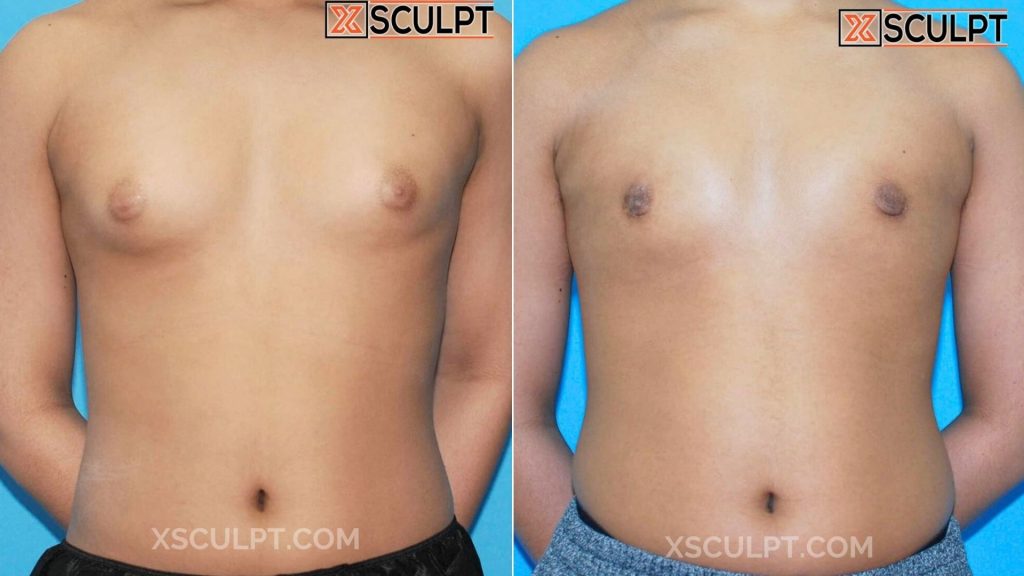
The Five Main Causes of Gynecomastia Recurrence
1. Incomplete Gland Removal
This is the most common reason gynecomastia returns. Some surgeons intentionally leave a thin layer of glandular tissue behind for cosmetic reasons, to avoid a contour depression under the nipple. Others may not remove the full extent of the gland because they relied primarily on liposuction.
The problem: any remaining gland tissue can respond to hormonal stimulation. If you search Reddit’s r/gynecomastia community, you will see this scenario described repeatedly. “I had surgery, but the puffiness came back.” In most of those cases, the gland was not fully removed.
2. Continued Steroid or PED Use
Anabolic steroids and performance-enhancing drugs convert to estrogen through the aromatase enzyme. If a man resumes steroid use after surgery without proper estrogen management, the hormonal environment that caused gynecomastia in the first place returns.
Even with full gland removal, trace amounts of breast tissue can exist in the chest wall. Aggressive hormonal stimulation from ongoing PED use may, in rare cases, cause some tissue response. This is one reason men on gear should work with a provider who understands their goals. Learn more about bodybuilder gynecomastia and how to manage it.
3. Hormonal Changes
Several hormonal shifts can create conditions favorable to breast tissue growth:
- Testosterone decline with age. Testosterone drops 1-2% per year after 30. The resulting estrogen-to-testosterone imbalance can stimulate residual tissue.
- Testosterone replacement therapy (TRT). TRT itself can trigger gynecomastia when excess testosterone converts to estrogen. If estrogen levels are not monitored, even men who had successful surgery may notice changes. Read more about TRT and gynecomastia.
- Medical conditions. Liver disease, kidney failure, thyroid dysfunction, and pituitary or adrenal tumors can all shift the hormonal balance toward estrogen.
4. Significant Weight Gain
Weight gain does not cause true gynecomastia recurrence. However, it can create the appearance of recurrence. Fat deposits in the chest (pseudogynecomastia) can mimic the look of breast tissue, especially if a man gains 30 or more pounds after surgery.
The distinction matters. True recurrence involves glandular tissue regrowth. Pseudogynecomastia from weight gain involves fat only and can often be addressed through diet, training, or a secondary liposuction procedure.
5. Medications
Certain medications are known to cause or worsen gynecomastia:
- Anti-androgens (used for prostate conditions)
- Some antidepressants and anti-anxiety medications
- Heartburn medications (cimetidine, omeprazole in some cases)
- Spironolactone
- Estrogen-related compounds
If you are on a medication that affects hormone levels, discuss this with your surgeon before and after surgery.
Liposuction-Only vs. Full Gland Excision: Recurrence Comparison
This is the most important factor in preventing gynecomastia from returning.
| Factor | Liposuction Only | Full Gland Excision + Lipo |
|---|---|---|
| Recurrence rate | 6-35% | ~2% |
| Gland tissue addressed? | No (fat only) | Yes (fully removed) |
| Addresses puffy nipples? | Partially | Yes |
| Long-term satisfaction | Lower (residual tissue complaints common) | Higher (90%+ satisfaction at 10+ years) |
| Revision rate | Higher | Lower |
The data is clear. Full gland excision combined with liposuction produces the lowest recurrence rates and the highest long-term patient satisfaction.
XSculpt’s Written Warranty Against Recurrence
This is where XSculpt differs from most practices.
Our ChestSculpt procedure combines complete gland excision with VASER liposuction for precise chest contouring. The gland is removed in its entirety, not partially debulked. And we back it with a written warranty against recurrence.
What that means for you:
- The gland is completely excised, not partially reduced
- VASER liposuction removes surrounding fat for a flat, defined contour
- If gynecomastia recurs, the warranty covers you
- Outpatient procedure, typically 1-2 hours
- Back in the gym in 4-6 weeks
Dr. Marc Adajar, MD, FACS, has 20+ years of experience and has performed thousands of male chest procedures. He is a board-certified surgeon with the American College of Surgeons and has received the Patients’ Choice Award 9 consecutive years. When gynecomastia is your highest-volume procedure, you develop the precision to remove the gland completely and consistently.
Very few practices offer a written warranty because very few perform full gland removal as standard. Most either rely heavily on liposuction or leave a layer of gland behind. That is exactly why the warranty exists. It reflects confidence in the technique.
What to Look for in a Gynecomastia Surgeon
If you are researching gynecomastia surgery and want to minimize recurrence risk, ask these questions:
- Do you perform full gland excision, or primarily liposuction? This is the single most important question. If the answer is “mostly liposuction,” the recurrence risk is higher.
- How many gynecomastia cases do you perform per year? High-volume surgeons develop better technique for complete removal while maintaining natural chest contour.
- Do you offer a warranty or guarantee against recurrence? A surgeon willing to warrant their work has confidence in their results.
- Can I see before-and-after photos of men with a similar build? Results on similar body types give you the most realistic expectations. See XSculpt’s gynecomastia patient photos.
- What is your revision rate? Surgeons who perform full gland removal have lower revision rates than those who rely on liposuction alone.
View the full before and after gallery to see results across different grades and body types.
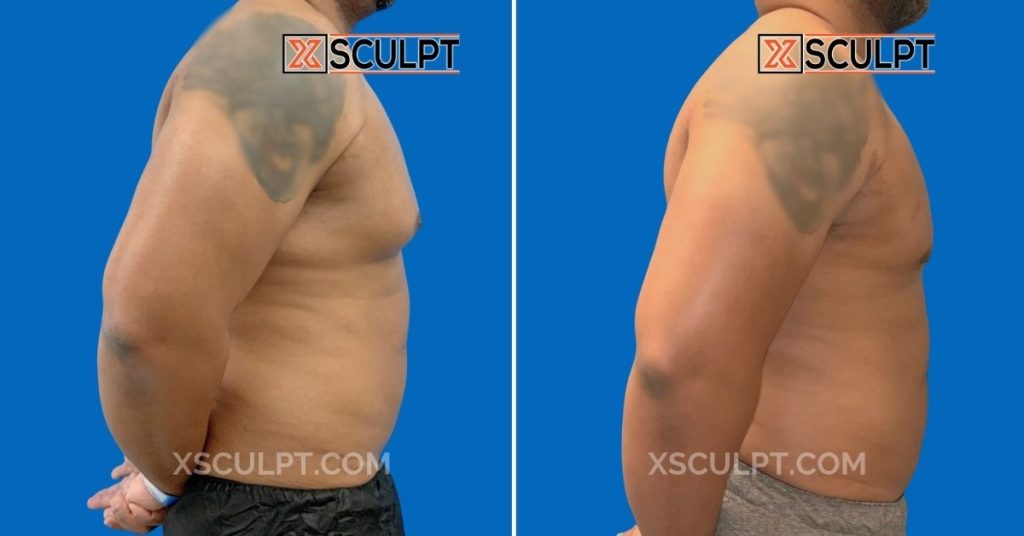
Revision Surgery: When Gynecomastia Comes Back After Surgery Elsewhere
If you had gynecomastia surgery at another practice and the tissue has returned, you are not starting over. You are correcting an incomplete procedure.
Revision gynecomastia surgery is one of the most common reasons men contact XSculpt. The typical story: a surgeon performed liposuction only, or removed part of the gland, and months later the puffiness returned. The frustration is real. You paid for surgery, went through recovery, and still have the same problem.
What revision surgery involves:
- Evaluation of remaining gland tissue (often identifiable through physical exam or ultrasound)
- Complete excision of any residual gland
- Scar tissue management from the prior surgery
- VASER liposuction to refine the chest contour
- The same written warranty that comes with every ChestSculpt procedure
Revision cases are more complex than first-time procedures. Scar tissue from the previous surgery makes dissection more involved. This is where surgeon experience and case volume matter most.
Learn about gynecomastia surgery cost and financing options.
How to Reduce Your Risk of Recurrence After Surgery
Even after full gland removal, these steps help protect your results:
- Maintain a stable weight. Significant weight gain can deposit fat in the chest, creating the appearance of recurrence even when the gland is gone.
- Manage hormones if on TRT. Work with your provider to monitor estrogen levels. Unmanaged estrogen conversion is a preventable cause of breast tissue stimulation. Learn more about testosterone and gynecomastia.
- Disclose all medications. Certain drugs can influence hormone balance. Your surgeon and primary care provider should know everything you are taking.
- If using PEDs, manage estrogen proactively. Aromatase inhibitors or SERMs under medical supervision can help control estrogen during cycles. Read about estrogen blockers and gynecomastia.
- Follow post-op instructions. Compression garment use, activity restrictions, and follow-up appointments all support proper healing.
- Attend follow-up visits. Your surgeon can detect early signs of any changes before they become a concern.
Frequently Asked Questions
Can gynecomastia come back after surgery?
It can, but the risk is very low when surgery includes full gland excision. Published data shows approximately a 2% recurrence rate with complete gland removal. The most common cause of recurrence is incomplete removal of the glandular tissue during the initial surgery.
Will gynecomastia come back if I take steroids after surgery?
There is a small risk. Even with full gland removal, trace breast tissue may exist in the chest wall. Aggressive hormonal stimulation from continued steroid use could, in rare cases, cause a tissue response. Managing estrogen levels with proper PCT or medical supervision significantly reduces this risk.
What is the recurrence rate for gynecomastia surgery?
It depends on the technique. Full gland excision achieves approximately a 2% recurrence rate. Liposuction-only approaches have recurrence rates of 6-35%. A long-term study with 13+ years of follow-up found that 90% of patients who had gland excision remained gynecomastia-free at 10 years.
How do I know if my gynecomastia came back or if it is just fat?
True gynecomastia recurrence involves firm, rubbery tissue behind or around the nipple. Fat accumulation (pseudogynecomastia) feels soft and distributed more evenly across the chest. A physical exam or ultrasound can confirm the difference. The pinch test can help you assess at home, but a surgeon evaluation is the most reliable method.
Does XSculpt offer a warranty against gynecomastia recurrence?
Yes. XSculpt’s ChestSculpt procedure includes a written warranty against recurrence. This warranty is possible because the procedure includes complete gland excision, not just liposuction. Very few practices offer this because very few remove the entire gland as their standard approach.
Can I get revision surgery if my gyno came back after surgery at another practice?
Yes. Revision gynecomastia surgery is one of the most common procedures at XSculpt. It involves removing any residual gland tissue left from the prior surgery, managing scar tissue, and refining the chest contour with VASER liposuction. Schedule a consultation to have your case evaluated.
Does insurance cover gynecomastia surgery if it is a revision?
Insurance coverage for gynecomastia surgery varies and is generally limited. Most revision cases are considered elective. Learn more about gynecomastia and insurance and explore financing options that make the procedure accessible.
How long after gynecomastia surgery would recurrence show up?
Most cases of true recurrence become noticeable within 1-3 years after surgery, though some studies have tracked recurrence beyond 10 years. If you notice new firmness or puffiness behind the nipple, schedule a follow-up with your surgeon for evaluation.
Related Content
- Gynecomastia Surgery (ChestSculpt)
- Gynecomastia Surgery Cost in Chicago
- What Is Gynecomastia? Stages and Grades Explained
- Bodybuilder Gynecomastia: Why It Happens and How to Fix It
- Can TRT Cause Gynecomastia?
- Estrogen Blockers for Gynecomastia: Do They Work?
- Gynecomastia Patient Photos
- Before and After Gallery
Medical Disclaimer: The content on this page has been medically reviewed for accuracy by Dr. Marc Adajar, MD, FACS, board-certified surgeon specializing in male breast reduction and body contouring. This information is for educational purposes only and is not a diagnosis or treatment plan. Individual results vary. Recurrence rates cited are based on published clinical data and may not reflect every patient’s experience. Candidacy, risks, and expected outcomes can only be determined after a private consultation and examination with a qualified provider. XSculpt is a division of Chicago Breast & Body Aesthetics.

