
Diet can reduce chest fat, but it cannot eliminate breast gland tissue. If you have true gynecomastia, no dietary change, elimination protocol, or supplement will shrink the gland. That said, certain foods and dietary patterns can influence estrogen levels, and understanding the connection between what you eat and hormonal balance is worth knowing, especially if you are trying to determine whether your chest issue is fat, gland, or both.
Key Takeaways
- Gynecomastia and diet are related when it comes to fat reduction, but dietary changes alone cannot remove breast gland tissue
- Certain foods (soy, alcohol, processed foods high in estrogens) may contribute to hormonal imbalance, but they rarely cause gynecomastia on their own
- Weight loss through caloric deficit can reduce pseudogynecomastia (chest fat), but true gynecomastia will persist regardless of body fat percentage
- The only permanent solution for glandular gynecomastia is surgical removal. XSculpt’s ChestSculpt removes 95%+ of gland tissue with a written warranty
Table of Contents
The Gland vs. Fat Distinction: Why It Matters for Diet
Before you overhaul your meal plan to fix your chest, you need to understand what you are dealing with.
Gynecomastia is the growth of breast gland tissue in men. It is driven by hormonal imbalance, specifically elevated estrogen relative to testosterone. The gland sits directly behind the nipple. It is firm, rubbery, and does not respond to caloric deficit.
Pseudogynecomastia is excess fat in the chest area. It is soft, distributed, and responds to weight loss like fat anywhere else on your body.
Many men have both. Diet addresses the fat component. It does not address the gland. If you have been eating clean and training hard for months and your chest still looks puffy, especially around the nipple, the issue is almost certainly glandular.
Foods That May Influence Estrogen Levels
While diet rarely causes gynecomastia directly, certain foods can affect your estrogen-to-testosterone ratio. Understanding these connections helps you make informed decisions, even if dietary changes alone will not cure established gynecomastia.
Soy and Phytoestrogens
Soy contains isoflavones, plant-based compounds that mimic estrogen in the body (phytoestrogens). The clinical evidence is mixed. Most research shows that moderate soy consumption (a few servings per week) does not significantly affect male hormones. However, case reports exist of men consuming very large amounts of soy (multiple servings daily for extended periods) and developing breast tissue changes.
The practical takeaway: moderate soy intake is unlikely to cause gynecomastia. Excessive daily consumption over months may be worth reducing if you are concerned about estrogen levels.
Alcohol
Alcohol is one of the more clearly documented dietary contributors to hormonal imbalance in men. Heavy and chronic alcohol use can:
- Increase aromatase activity (the enzyme that converts testosterone to estrogen)
- Damage liver function, impairing the liver’s ability to metabolize and clear excess estrogen
- Lower testosterone production directly
- Increase body fat, which itself produces estrogen through adipose tissue aromatization
Beer specifically contains phytoestrogens from hops. While the amounts are small per serving, heavy daily beer consumption compounds the effect.
Moderate alcohol intake (1-2 drinks occasionally) is unlikely to cause gynecomastia. Regular heavy drinking is a documented risk factor.
Processed Foods and Xenoestrogens
Some processed and packaged foods contain compounds that act as xenoestrogens (environmental chemicals that mimic estrogen):
- BPA (bisphenol A): Found in some plastic food containers and can linings. Acts as a weak estrogen in the body.
- Phthalates: Found in some food packaging. Associated with endocrine disruption in animal studies.
- Pesticide residues: Some pesticides have estrogenic properties. Washing produce and choosing organic options reduces exposure.
The clinical impact of xenoestrogens on gynecomastia specifically is not well established in humans at typical exposure levels. But reducing processed food intake has broader health benefits regardless.
Dairy and Meat
Commercially raised livestock may be treated with hormones, and dairy products contain naturally occurring estrogens. The levels are generally low, and most regulatory bodies consider them safe. However, men who consume large quantities of conventional dairy and red meat and are concerned about estrogen exposure may consider organic or hormone-free options.
Foods That May Support Healthy Testosterone Levels
While no food will cure gynecomastia, supporting your body’s testosterone production is generally good practice for hormonal balance.
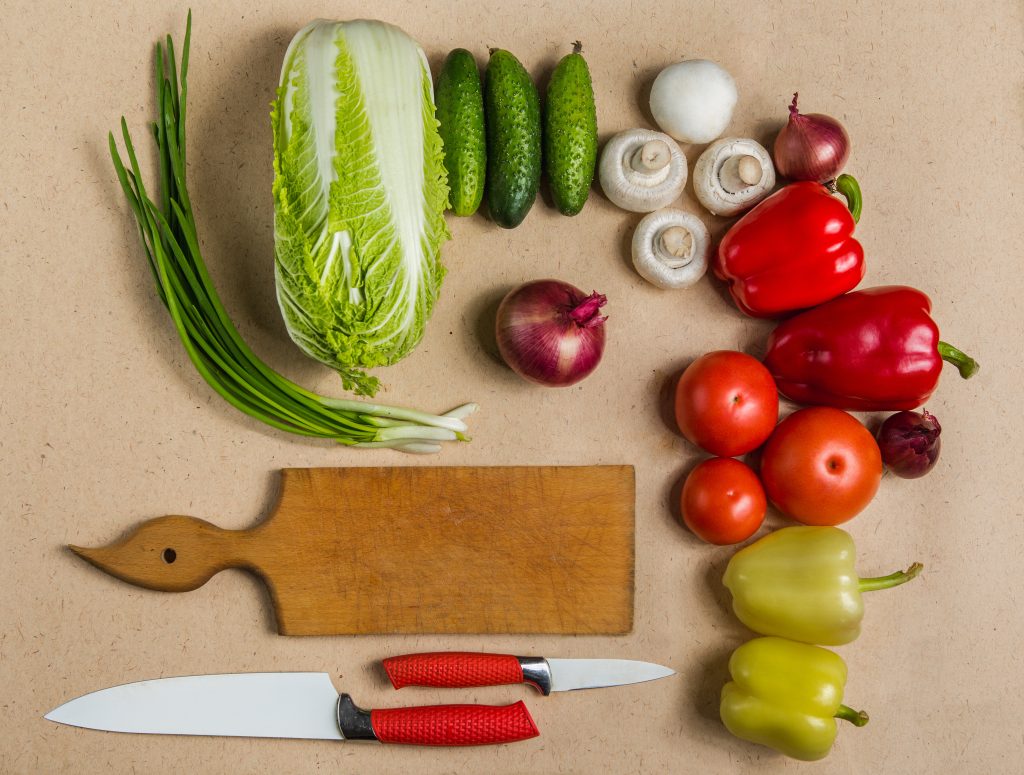
Cruciferous vegetables (broccoli, cauliflower, Brussels sprouts, kale): Contain indole-3-carbinol, which supports estrogen metabolism. The body converts it to DIM (diindolylmethane), which helps shift estrogen toward less potent forms.
Zinc-rich foods (oysters, beef, pumpkin seeds, chickpeas): Zinc supports testosterone production and inhibits aromatase. Zinc deficiency is associated with lower testosterone levels.
Healthy fats (olive oil, avocados, nuts, fatty fish): Adequate fat intake is necessary for hormone production. Very low-fat diets can suppress testosterone.
Vitamin D sources (fatty fish, egg yolks, fortified foods, sunlight): Low vitamin D is correlated with lower testosterone. Supplementation may help if you are deficient.
Protein (lean meats, fish, eggs, legumes): Adequate protein supports muscle maintenance and metabolic health, both of which influence hormone levels.
Can Weight Loss Reduce Gynecomastia?
It depends on which type you have.
If your issue is pseudogynecomastia (fat): Yes. A sustained caloric deficit of 300-500 calories per day, combined with resistance training and adequate protein, will reduce chest fat over time. The chest will flatten as your overall body fat decreases.
If your issue is true gynecomastia (gland): No. You can cut to single-digit body fat and the gland will still be there. Many men discover they have gynecomastia only after losing significant weight, when the fat that was masking the gland disappears and the firm tissue behind the nipple becomes more obvious.
If you have both (mixed gynecomastia): Weight loss will improve the fat component but leave the gland intact. The remaining puffiness or nipple protrusion is the glandular tissue that requires surgical removal.
The bottom line: weight loss is worth pursuing for overall health and to reduce the fat component of chest fullness. But if a firm lump behind the nipple persists at a healthy body fat, diet is not the solution. The gland is.
What About “Gyno-Reducing” Diets and Supplements?
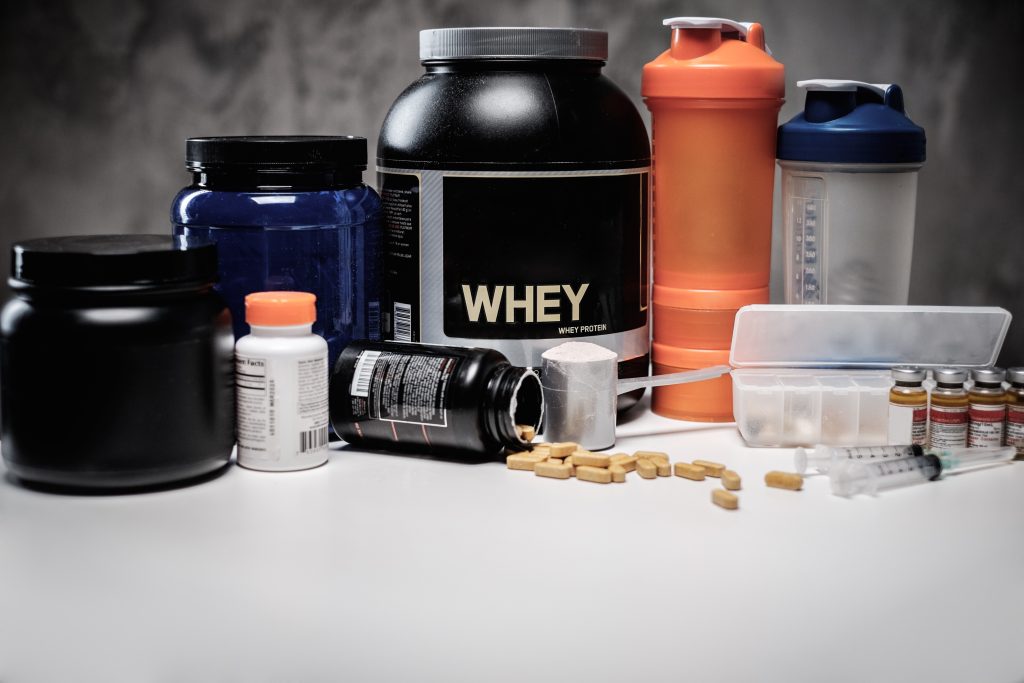
You will find no shortage of blog posts and supplement companies claiming that specific diets or products can “cure” or “reverse” gynecomastia. Here is what the evidence actually shows:
DIM supplements: Diindolylmethane is the compound from cruciferous vegetables. While it supports estrogen metabolism, no clinical trials show it eliminates established breast gland tissue.
Turmeric/curcumin: Anti-inflammatory properties, but no evidence for gynecomastia reduction.
“Estrogen detox” protocols: Marketing language for supplement stacks. No peer-reviewed evidence supports any supplement protocol for eliminating breast gland tissue.
“Chest-reducing” meal plans: These are caloric deficit diets rebranded. They reduce fat. They do not reduce glandular tissue.
If the gland has been present for more than 12 months, it has almost certainly fibrosed (hardened). At that point, no dietary intervention, supplement, or medication will reverse it.
When Surgery Is the Answer
If you have made dietary improvements, achieved a healthy body fat percentage, and your chest still looks puffy or the nipple area still protrudes, you are dealing with glandular tissue. Gynecomastia surgery is the only permanent solution.
XSculpt’s ChestSculpt procedure removes 95%+ of the breast gland through direct excision, combined with VASER liposuction for contouring when needed. The procedure is outpatient (1-2 hours), and most men return to full training within 6-8 weeks.
The key differentiator: complete gland removal, not just liposuction. This is backed by a written warranty against recurrence. No gland left means no regrowth, regardless of future dietary or hormonal changes.
View gynecomastia before and after photos.
Frequently Asked Questions
Can diet get rid of gynecomastia?
Diet can reduce chest fat (pseudogynecomastia), but it cannot eliminate breast gland tissue. True gynecomastia requires surgical gland removal.
What foods cause gynecomastia?
No single food directly causes gynecomastia. However, excessive soy intake, heavy alcohol consumption, and high-estrogen foods may contribute to hormonal imbalance over time. Most gynecomastia is caused by hormonal changes during puberty, medications, or idiopathic factors, not diet.
Does soy cause gynecomastia?
Moderate soy consumption does not appear to cause gynecomastia in most men. Extremely high intake (multiple servings daily over extended periods) has been associated with hormonal changes in isolated case reports, but this is uncommon.
Can losing weight cure gynecomastia?
Weight loss can improve pseudogynecomastia (chest fat) but will not eliminate true gynecomastia. If your chest remains puffy at a healthy body fat, the issue is glandular and requires surgical treatment.
Does alcohol cause gynecomastia?
Heavy, chronic alcohol use is a documented risk factor. Alcohol increases aromatase activity, damages liver function, and lowers testosterone. Moderate drinking is unlikely to cause gynecomastia on its own.
Do estrogen-blocking supplements work for gynecomastia?
DIM, zinc, and other supplements may support estrogen metabolism, but no clinical evidence shows they can eliminate established breast gland tissue. Prescription estrogen blockers may help in early stages (under 12 months) but are ineffective for fibrosed glands.
Can exercise fix gynecomastia?
No. Exercise can reduce chest fat but cannot remove glandular tissue. In some cases, building pectoral muscle actually makes gyno more visible by pushing the gland forward.
How do I know if I have gynecomastia or just chest fat?
A firm, rubbery lump behind the nipple that does not decrease with weight loss is likely glandular tissue. Soft tissue that reduces when you lose weight is fat. A clinical exam with a gynecomastia specialist provides a definitive diagnosis.
How much does gynecomastia surgery cost?
Gynecomastia surgery cost varies based on severity and whether liposuction is needed alongside gland excision. XSculpt offers transparent pricing and financing.
What is the best diet for reducing chest fat?
A sustained caloric deficit (300-500 calories below maintenance), adequate protein (0.7-1.0g per pound of body weight), and consistent resistance training is the most effective approach for reducing chest fat. Focus on whole foods, lean protein, vegetables, and healthy fats.
Want to know if your chest issue is fat, gland, or both? Schedule a complimentary consultation with a board-certified surgeon who specializes in male chest procedures. In-person and virtual consultations available. Call or text (312) 846-1529.
Related Content
- Gynecomastia Surgery: ChestSculpt Procedure
- Can You Get Rid of Gynecomastia with Exercise?
- Gynecomastia Surgery Cost in Chicago
- Can TRT Cause Gynecomastia?
- Bodybuilder Gynecomastia: Why It Happens and How to Fix It
- Do Estrogen Blockers Get Rid of Gynecomastia?
Medical Disclaimer: The content on this page has been medically reviewed for accuracy by Dr. Marc Adajar, MD, FACS. This information is for educational purposes only and is not a diagnosis or treatment plan. Individual results vary. Candidacy, risks, and expected outcomes can only be determined after a private consultation and examination with a board-certified surgeon. XSculpt is a division of Chicago Breast & Body Aesthetics.

