
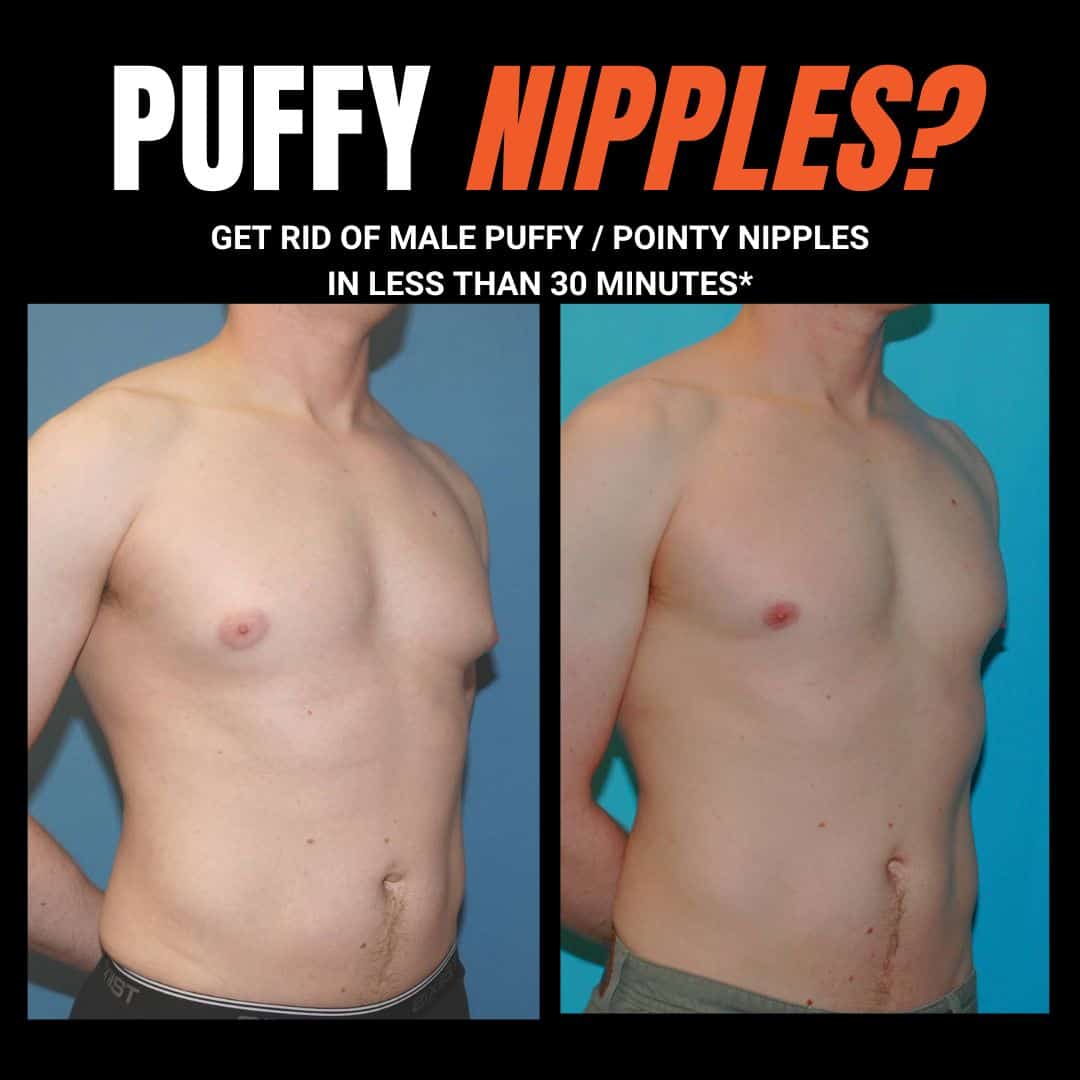
Puffy nipples in men are one of the most common forms of gynecomastia. The condition occurs when excess glandular tissue, fat, or both accumulate behind the areola, pushing the nipple outward into a rounded or protruding shape. For many men, this is not a weight issue or a training issue. It is a tissue issue. No amount of chest presses, calorie cuts, or compression shirts will flatten a gland that should not be there. Understanding what is causing the puffiness is the first step toward fixing it.
Key Takeaways
- Puffy nipples in men are almost always caused by excess glandular tissue behind the areola, not just body fat. This is a form of Grade I gynecomastia that does not respond to diet or exercise alone.
- Common causes include hormonal imbalance during puberty, testosterone decline with age, anabolic steroid use, certain medications, and genetics. Up to 65% of men experience some degree of gynecomastia in their lifetime.
- Non-surgical approaches like weight loss and chest exercises may reduce fat-related puffiness, but they cannot remove firm glandular tissue. Surgery is the only permanent solution for true gynecomastia.
- XSculpt’s ChestSculpt procedure includes full gland removal backed by a written warranty against recurrence. Most patients return to the gym within 4-6 weeks.
Table of Contents
What Causes Puffy Nipples in Men?
The tissue behind a puffy nipple falls into one of three categories: glandular tissue (firm, rubbery), fat (soft, compressible), or a combination of both. True gynecomastia involves glandular tissue. Pseudogynecomastia is fat-dominant. Many men have a mix. The distinction matters because it determines which treatments will actually work.
Common causes include:
- Hormonal imbalance. An increase in estrogen relative to testosterone triggers breast gland growth. This is the underlying mechanism in roughly 90% of cases.
- Puberty. More than half of adolescent males develop temporary gynecomastia as estrogen rises faster than testosterone. Most cases resolve within 6-24 months, but some persist into adulthood.
- Aging and testosterone decline. Testosterone levels drop 1-2% per year after age 30. Lower testosterone shifts the estrogen-to-androgen ratio and can trigger new gland growth in men over 50.
- Anabolic steroids and PEDs. Steroids convert to estrogen once metabolized. This is one of the most common drug-related causes of bodybuilder gynecomastia.
- Medications. Anti-anxiety drugs, certain antidepressants, prostate medications (finasteride), heartburn drugs (cimetidine), and some herbal supplements can stimulate breast tissue growth.
- Marijuana and alcohol. Both substances disrupt hormone metabolism and have been linked to gynecomastia.
- Genetics. Family history influences hormone metabolism and receptor sensitivity. Some men are simply predisposed.
- Medical conditions. Thyroid disorders, liver disease, kidney failure, and pituitary tumors can all contribute to hormonal imbalance.
According to the American Society of Plastic Surgeons, gynecomastia affects up to 65% of men in the United States. You are not alone.
3 Signs You May Have Puffy Nipple Gynecomastia
Not sure whether your chest is fat, gland, or something else? Board-certified surgeons at XSculpt evaluate thousands of male chest cases each year. Here are the three clinical signs they look for.
1. Firm tissue under and around the nipple.
The enlarged tissue feels distinct from your chest muscle. It is rubbery or firm, not soft like fat. Some men find that their puffy nipples do not improve when they lose weight or train their chest. In fact, building the pectoral muscle can make puffy nipples more noticeable because the gland sits on top of the muscle.
2. Puffy or protruding areola.
The gland pushes the nipple and areola outward, creating a rounded or “pointy” appearance that is visible through shirts and compression wear. This is different from large nipples. The puffiness comes from tissue behind the nipple, not the nipple itself.
3. The nipple is the highest point of your chest.
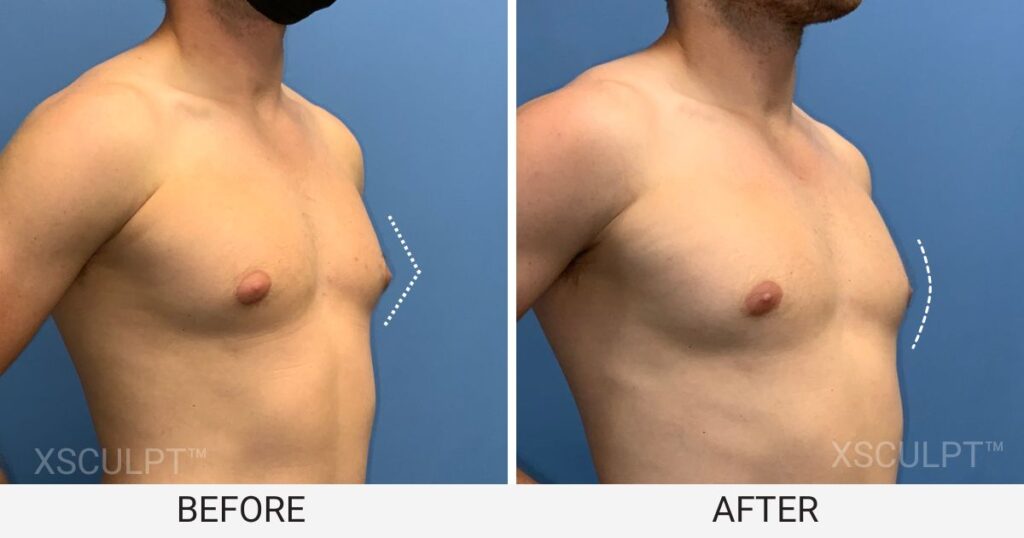
The ideal male chest is flat and firm with minimal nipple projection. When you look at your profile, the pectoral muscles should project further than the nipple. If the nipple sticks out further than the pec muscles, this is a clinical sign of gynecomastia.
Gynecomastia Grades: Where Puffy Nipples Fall
Gynecomastia is classified into grades based on the amount of breast enlargement, skin excess, and ptosis (sagging). This grading system helps determine the right surgical approach.
| Grade | Description | Typical Appearance |
|---|---|---|
| Grade I | Small enlargement, no skin excess | Puffy nipples, visible through shirts |
| Grade II | Moderate enlargement, no skin excess | Noticeable chest fullness beyond the nipple |
| Grade IIb | Moderate enlargement with extra skin | Chest fullness with some skin laxity |
| Grade III | Marked enlargement with extra skin | Significant breast tissue with visible sagging |
Puffy nipples typically fall into Grade I. The enlargement is concentrated behind the areola, and there is little to no excess skin. This is often described as the “tip of the iceberg” because there is always underlying glandular tissue beneath the visible puffiness. You can view results for each grade in the gynecomastia before and after gallery.
What Does Not Work for Puffy Nipples
Men spend months or years trying to fix puffy nipples without surgery. Here is what the research and clinical experience show.
These do not remove glandular tissue:
- Push-ups and chest exercises
- Calorie deficits and weight loss (if the issue is gland, not fat)
- Fat burners, testosterone boosters, or over-the-counter supplements
- CoolSculpting or non-invasive fat reduction devices
- Compression shirts (they mask the issue temporarily)
- Creams, massage tools, or ice
What may help in limited cases:
- Weight loss can reduce fat-related puffiness in men with pseudogynecomastia. If the tissue is soft and compressible, losing body fat may improve the appearance. But if a firm gland remains, the nipple will still protrude.
- Medication adjustment. If a specific drug triggered the gynecomastia, switching medications under medical supervision may help in early-stage cases (less than 12 months).
- Hormonal evaluation. Underlying imbalances (low testosterone, elevated estrogen) should be identified and treated. Testosterone therapy may be appropriate for men with documented hormonal deficiency, though it rarely reverses established glandular tissue.
The bottom line: once firm glandular tissue has formed behind the nipple, it does not go away on its own. Surgery is the only permanent solution.
Treatment Options for Male Puffy Nipples
Non-Surgical Management
For men whose puffiness is primarily fat-related, a combination of diet modifications and targeted chest exercises may reduce the appearance. However, if a firm gland is present on exam, non-surgical approaches will not resolve the condition.
Men who suspect a hormonal component should be aware of foods higher in estrogen (soy products, certain legumes, dairy from hormone-treated animals) and focus on supporting testosterone production through raw fruits and vegetables, healthy fats, and reduced processed sugar intake.
ChestSculpt: Full Gland Removal Surgery
XSculpt’s ChestSculpt procedure is the most comprehensive approach to puffy nipple correction. It combines complete gland excision with VASER liposuction for a flat, defined, masculine chest contour.
What makes ChestSculpt different from standard gynecomastia surgery:
- Full gland removal. Not just liposuction. The entire breast gland is excised through a small periareolar incision. This is the single most important factor in preventing recurrence.
- Written warranty against recurrence. XSculpt backs every ChestSculpt procedure with a written warranty. If glandular tissue regrows, the revision is covered.
- VASER precision. Ultrasound-assisted liposuction selectively targets fat while preserving surrounding tissue, allowing for high-definition chest contouring around the muscle.
- Outpatient procedure. Surgery takes 1-2 hours under local anesthesia with sedation. Patients go home the same day.
For mild puffy nipple cases (Grade I), the procedure may take as little as 30 minutes with minimal downtime. Many patients return to desk work the same day.
Recovery Timeline
| Milestone | Timeline |
|---|---|
| Walking and light activity | Day 1 |
| Return to desk work | Same day to 1 week |
| Light cardio | 2-3 weeks |
| Upper body lifting | 4 weeks |
| Full unrestricted training | 6 weeks |
| Final results visible | 3-6 months |
A compression garment is worn for approximately 6 weeks to control swelling and support skin retraction. Scars are placed at the edge of the areola and typically fade to near-invisible within several months.
Why Men Choose Puffy Nipple Surgery
Most cases of puffy nipples are not medically dangerous. But for many men, the appearance of their chest has affected their confidence for years or decades.
Men choose surgery for several reasons:
- Appearance. Puffy nipples create a shape that looks disproportionate, especially in fitted shirts or light-colored clothing.
- Physical comfort. Large or elongated nipples can cause chafing and irritation during exercise.
- Athletic physique. Active men and bodybuilders want smaller nipples that allow chest muscles to look more prominent.
- Confidence. For many men, this is the one thing that training, diet, and discipline cannot fix. Surgery provides the result that effort alone cannot.
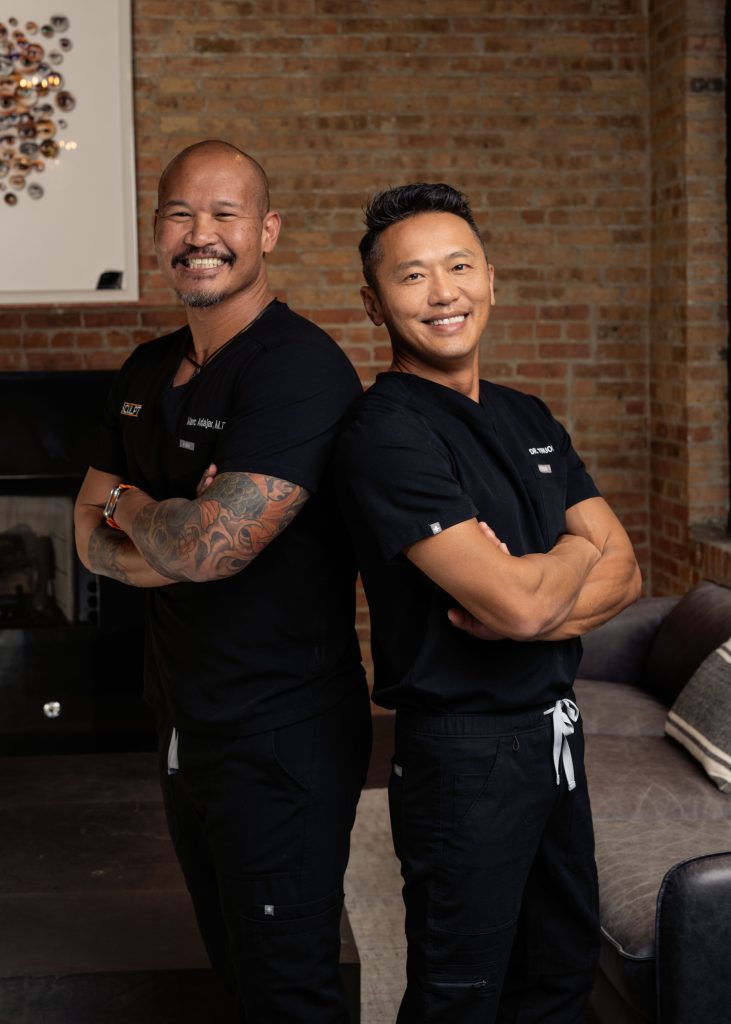
Dr. Adajar and Dr. Truong at XSculpt
Dr. Marc Adajar, board-certified surgeon (FACS) and XSculpt co-founder, has performed thousands of male chest procedures over 20+ years. Patients consistently praise his calm demeanor, thoroughness, and willingness to answer questions directly. He has received the Patients’ Choice Award for 9 consecutive years.
Dr. Anh-Tuan Truong is triple board-certified in surgery, cosmetic surgery, and facial cosmetic surgery. He brings a confident, direct communication style that resonates with male patients seeking clear answers and proven results.
Both surgeons specialize exclusively in male procedures. Every consultation includes a hands-on evaluation to distinguish gland from fat, assess skin quality, and determine the right surgical approach for your specific anatomy.
Frequently Asked Questions
What causes puffy nipples in men?
Puffy nipples are most commonly caused by excess glandular tissue behind the areola, a form of Grade I gynecomastia. Hormonal imbalance (increased estrogen relative to testosterone), puberty, anabolic steroid use, certain medications, and genetics are the most frequent triggers.
Can exercise get rid of puffy nipples?
Exercise can reduce chest fat but cannot remove glandular tissue. If the puffiness is caused by a firm gland rather than fat, no amount of training will flatten it. Building the pectoral muscle can actually make puffy nipples more visible.
Why are my nipples always hard or pointy?
Nipple protrusion in men is often caused by glandular tissue pushing the nipple outward. Cold temperatures and physical arousal can cause temporary nipple firmness, but persistent pointiness or puffiness usually indicates gynecomastia.
Do puffy nipples always mean gynecomastia?
Not always. Some men have excess fat without glandular tissue (pseudogynecomastia). A physical examination by a surgeon experienced in male chest procedures can distinguish between the two. At XSculpt, this evaluation is part of every complimentary consultation.
Can puffy nipples come back after surgery?
When the full breast gland is removed, recurrence is extremely rare. XSculpt provides a written warranty against gynecomastia recurrence. New hormone changes or resumed steroid use could theoretically trigger regrowth, but complete excision makes this unlikely.
How much does puffy nipple surgery cost?
Costs range from $3,995 to $8,000+ depending on the complexity of the case, the amount of tissue removed, and the surgical approach. XSculpt provides an all-inclusive quote after your consultation with no hidden fees. Financing options are available.
Is puffy nipple surgery painful?
Discomfort is usually mild and well controlled with medication. Most men are surprised at how manageable recovery is. The majority of patients transition to over-the-counter pain relief within 2-3 days.
Will my chest look natural after surgery?
Yes. The goal is always a natural masculine contour. When performed by an experienced male chest surgeon, the result looks and feels like your own chest, just without the puffiness. View puffy nipple before and after photos for examples.
Do puffy nipples affect bodybuilders differently?
Bodybuilders and athletes with low body fat often notice puffy nipples more because there is minimal surrounding fat to mask the gland. The tissue behind the nipple becomes more prominent on a lean physique, which is why puffy nipple surgery is common among competitive bodybuilders.
Does insurance cover puffy nipple surgery?
Most insurance plans classify gynecomastia surgery as cosmetic and do not cover it. However, if there is documented medical necessity (pain, functional impairment), some plans may provide partial coverage. Learn more about gynecomastia and insurance.
Ready to find out what is behind your puffy nipples? Schedule a complimentary consultation with a surgeon who specializes in male chest procedures. In-person and virtual consultations available at our Chicago and Glenview locations. Call or text (312) 846-1529.
Related Content
- Gynecomastia Surgery (ChestSculpt)
- Puffy Nipples Before and After Photos
- What Is Gynecomastia? Stages and Grades Explained
- Gynecomastia Surgery Cost in Chicago
- Gynecomastia and Exercise: The Honest Answer
- Gynecomastia and Diet
- Bodybuilder Gynecomastia
Medical Disclaimer: The content on this page has been medically reviewed for accuracy by Dr. Marc Adajar, MD, FACS, board-certified surgeon specializing in male breast reduction and body contouring. This information is for educational purposes only and is not a diagnosis or treatment plan. Individual results vary. Candidacy, risks, and expected outcomes can only be determined after a private consultation and examination with a qualified surgeon. XSculpt is a division of Chicago Breast & Body Aesthetics.

